3D visualisation, 3D rendering, computer-generated imagery (CGI), 3D graphics, and other similar terms are used to describe the process of creating graphical content with 3D software. 3D animation and visualisation, which transform 2D drawings into reality, provide a three-dimensional view with real-world effects that the 2D effect did not provide. It can handle designs in real-time, go from concept to concrete quickly, and experiment with various options, refinements, and multiple design versions.
Having a good grip in 3D rendering is very important in the field of marketing because the former increases flexibility and responsiveness in communication. CRAB provides the best 3D visualization service in Kerala with highly professional assistance in product modeling, 3D architectural visualization, industrial modeling, 3D walkthrough, and 3D animations for clients across the globe.
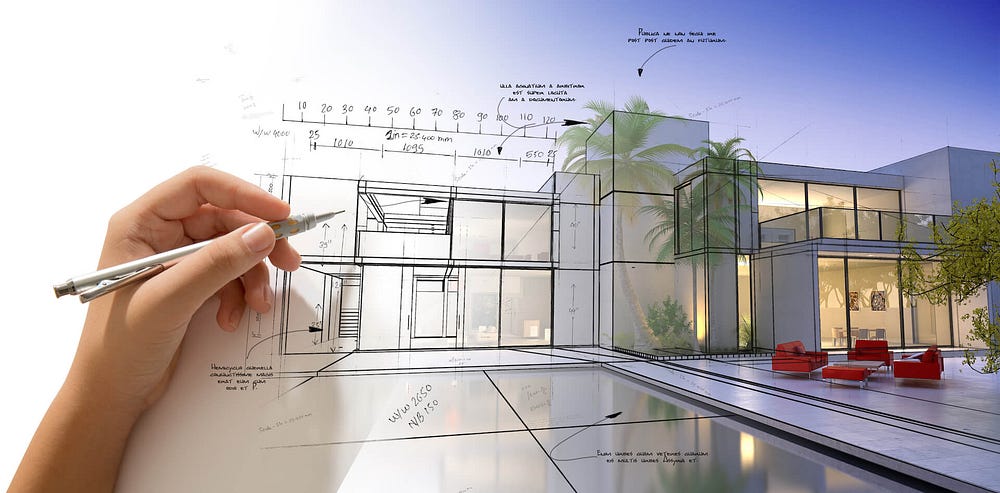
A 3D render is a digital image that depicts an actual three-dimensional space (height, width and depth). Because they provide photorealistic illustrations of any design project, 3D renderings are frequently used in the architecture industry. They are commonly used as marketing tools to promote the various housing layouts, models, or designs offered by an architect or firm, in addition to facilitating the prompt and detailed visualisation of any complex architectural project.
Realistic Visualization
A major difficulty for the construction industry is keeping all stakeholders on the same page by depicting a mental picture of the type of structure to be built. By transforming 2D drawings into reality, 3D animation and visualisation provide clients with a three-dimensional view with real-world effects that the 2D effect did not provide. Realistic 3D visualisations, graphics, and animation aid in the creation of a comprehensive recreation of the building or structure as it would appear in real time. Clients can experience and take a virtual tour of the structure before it is built, and architects and developers can learn more about each floor, critical areas, landscape, textures, elevations, and so on.
Clients Can Familiarize Themselves with the Designers
Architectural visualisation is the best way for designers to showcase their work and experience. Your clients can see your abilities in action and ensure that you can provide them with what they require. You can show off your talent and provide evidence that your skills match what you mentioned in your CV when you present your portfolio through architectural visualisation. Your prospective clients will be able to see that they can rely on you and that you will meet their expectations. The advantages do not end with the clients; by presenting your work in 3D renders, you can market yourself online by sharing your portfolio on your website, social media, or anywhere else.
Make corrections quickly and easily with 3D renderings!
3D renders, in addition to communicating a quick and comprehensive understanding of your work, allow clients to provide clear input on the project, streamlining the feedback process, which can otherwise be lengthy and frustrating.
Saves on Cost with Enhanced Efficiency
The 3D visualisation technology identifies errors and design failures during the initial design process. There is less money to fix errors, resulting in cost savings. It also improves operational efficiency because developers, contractors, investors, and other stakeholders have better coordination now that they can see a 3D image of the project on the same page. Construction activities can be easily viewed on a computer screen using 3-D CAD models, eliminating the need for cumbersome and costly physical models to reconstruct certain scenarios. Furthermore, by organising resources for maximum productivity, the sequence of interrelated activities in an operation can be better planned.
Catch Problems BEFORE Construction
We have discovered that because we build your project virtually in 3D using actual design data, this process is invaluable in identifying potential problems or design problems that traditional quality control can miss. Because we typically work with data from multiple disciplines, cross-disciplinary issues frequently arise during the visualisation process. Discovering that a sound wall is blocking an important sign or landmark is one example.
