A server is a piece of computer hardware or software that allows other programmes and devices to access its resources. Servers perform a variety of functions, referred to as services, such as sharing data or resources among multiple clients or performing computations for them. Multiple clients can be served by a single server, and a single client can access multiple servers. A client process can run on the same device or connect to a server on a different device via a network. Servers come in a variety of shapes and sizes.
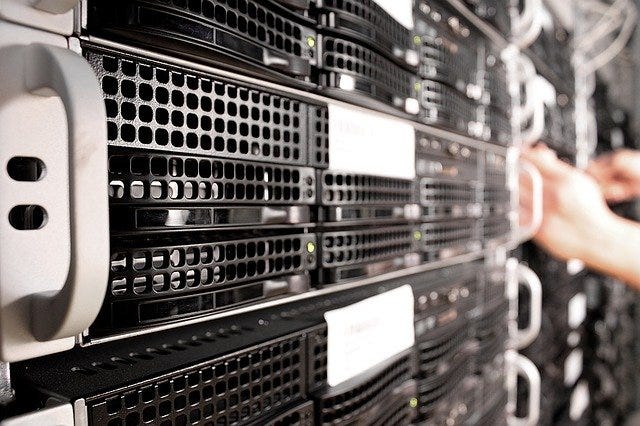
Database Server
A database server is frequently used in conjunction with another type of server. This server’s sole purpose is to store data in groups. There are a plethora of data storage methods based on various theories. “SQL,” or “Structured Query Language,” is one of the most common types. Database programmers can use scripting in the database language to create databases on these servers. The server-side components of most web applications connect to a database server to retrieve data as users request it. It’s a good idea to run webservers and database servers on separate machines. Database servers should exist on their own for security reasons.
Application servers
A server that hosts an application is known as an application server. Web applications and desktop applications run on application servers, which are system software. The web server connector, computer programming language, database connector, runtime libraries, and administration code are all part of it. Frameworks for developing application servers are known as application server frameworks. Users can create both a web application and a server environment with it.
Proxy Servers
A proxy server is a server application that acts as a middleman between clients requesting resources and servers that provide those resources. When a client requests a service, the proxy server acts on behalf of the client, potentially masking the true origin of the request to the resource server. Proxy servers are used to filter encrypted data, log and eavesdrop, repair errors, access services, cross-domain resources, and provide security, among other things.
DNS server
A DNS server, also known as a “Domain Name Service” server, converts domain names into IP addresses. When you type in a domain name and press Enter, your browser refers to this server. The idea is that users won’t have to memorise IP addresses, and organisations will be able to name themselves appropriately.
Are you looking for Server supplier in Dubai? Eminent Server supplier in Dubai: Every business has unique computing requirements, and depending on those requirements, more server options are available to provide the capacity to share, manage, and access your data. We are one of the best supplier of Business Server in Dubai.

No comments:
Post a Comment