The act of building and developing a website for the internet is known as web design. Despite the fact that establishing a website necessitates extra talents and resources, such as software coding and development, the design part of the project frequently concentrates on the user interface and experience. The aesthetic, functionality, style, and content of a website all contribute to the user experience. Web designers strive to find the most efficient way to present information on a website so that consumers find it interesting and useful. Web designers may frequently utilise different web designs and layouts depending on the site’s intended function and use to accomplish this.
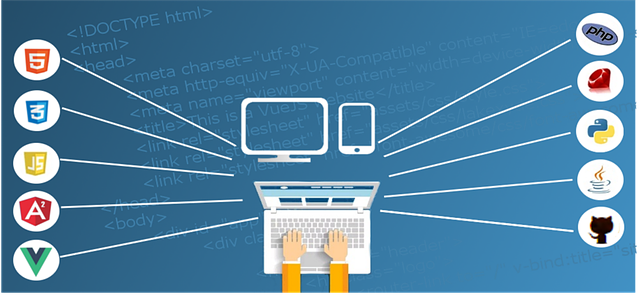
Different Types of Website Design
Fixed design
No matter what device the website is being viewed on, fixed web pages have a fixed width that will not change when the browser is resized. The requirement to scroll horizontally to view the rest of the material on a page, or repeatedly “pinch and expand” to zoom into the page’s text, is more difficult to view on smaller devices, such as smartphones or tablets, and can be frustrating for users. Images and text on a screen may visually fall apart when the browser is enlarged or decreased.
Liquid design layout
Liquid design layouts are the next form of website design on our list. Instead of the fixed units used in static layouts, this pattern, also known as fluid design, uses flexible units. The page will always fill the width of the device’s screen, regardless of what device it is, because the units are flexible. Because user experience is so important in driving and engaging people to your site, liquid layouts have begun to fade as a viable alternative for businesses. While you can still utilise this style, you risk providing a poor user experience by stretching your site too far or cramming too much information into a single page.
Static website
A static website is one that has minimal to no user interaction and has a similar design across all platforms. Most websites are built with basic code, such as HTML or CSS, and have a defined amount of pages, which can help keep the site’s development costs low. Static websites are typically used to communicate information rather than sell goods and services due to their simple model and limited ability to connect with users.
Responsive design
The layout and display of information on a responsive website design changes based on the browser size. Whether viewed on a mobile device or a PC browser, the website can rearrange itself to fill any size screen with the most relevant information by wrapping text and scaling graphics. Many websites and organisations benefit from this design since it makes it easier for visitors to access information and items across multiple devices.
Single page layout
A single-page layout is the last sort of web design we’ll discuss on our list of web design types. Single-page layouts feature only one page that customers scroll down to find information about your products or services, as the name implies. You can have a “navigation menu” with connections to specific points on your page with this design layout. KitKat is an excellent example of a single-page design.
Ecommerce
Any website that sells a product or service directly is classified as an ecommerce website. An ecommerce website, unlike a commercial website, allows you to add products or services to your cart and pay for them through the site. In the United States, ecommerce accounts for an ever-increasing percentage of total sales.
A website for a small business should have a distinctive look that can differentiate it from any other sites on the Internet. For businesses that cannot hire a professional web designer, this is a good design. Visitors should be able to travel from one location to another in a variety of ways. This should be possible due to the design. Consider adopting a content management system if you want a dependable website design. A content management system (CMS) allows you to design, create, and update material on your website with ease.

No comments:
Post a Comment